


When players use a slot machine, they rarely think about the people keeping it running. That job belongs to slot technicians – skilled workers who install, maintain, and repair machines so games run smoothly. They work behind the scenes, keeping casinos running smoothly and players happy. Their role is essential to keeping gaming safe, reliable, and profitable.
What is a Slot Technician?
A slot technician is a trained worker who installs, fixes, and maintains slot machines in a casino. Their work ensures that both the mechanical and digital systems operate flawlessly, allowing players to enjoy casino slot games without disruption. Slot technicians don’t handle customers like attendants or dealers. Instead, they take care of the technical side – keeping machines safe, working properly, and up to standard.
Difference Between a Slot Technician and General Casino Staff
A slot technician’s job is different from other casino staff. Most employees help customers or handle payments, while technicians work on the machines. They fix problems, update software, and make sure everything runs smoothly. Their work behind the scenes is key to keeping players happy and the casino successful.
Common Job Titles in the Field
The job title for this role can vary by casino and employer. Some call it a slot machine technician, gaming machine technician, casino technician, or slot mechanic. No matter the title, the main responsibility is making sure all gaming machines run safely and smoothly.
Core Responsibilities of a Slot Technician

A slot technician’s job combines technical skills, knowledge of rules, and teamwork. They make sure gaming machines run safely, smoothly, and profitably for the casino.
Technical Maintenance and Troubleshooting
Slot technicians set up new machines, adjust their systems, and make sure they meet gaming rules. They regularly check and maintain the machines to prevent problems. If anything breaks, they fix it fast to keep the casino running.
Security, Compliance, and Team Collaboration
Slot technicians don’t just fix machines – they also help keep them safe from tampering or fraud. They run security checks, watch for problems, and report risks to protect the casino and players. They also work with IT teams on system updates and with compliance teams to make sure machines meet strict rules.
Skills and Qualifications Required
Slot technicians need both technical skills and good people skills to work well in a casino. Their expertise keeps machines running smoothly and ensures they meet all rules and standards.
Technical Expertise and Certifications
A slot technician needs a good grasp of electronics, mechanics, and computer systems. These skills help them install, maintain, and fix gaming machines that mix hardware and software. In many areas, they also need certifications or licenses to work legally with casino equipment. Extra qualifications in IT, networking, or electronics can boost their career chances and credibility.
Soft Skills and Professional Qualities
Slot technicians need more than technical skills – they also rely on soft skills. Attention to detail finds issues, problem-solving fixes them, and communication keeps teamwork smooth. These skills make them key players in keeping casino operations running smoothly.
Tools and Technology Slot Technicians Use
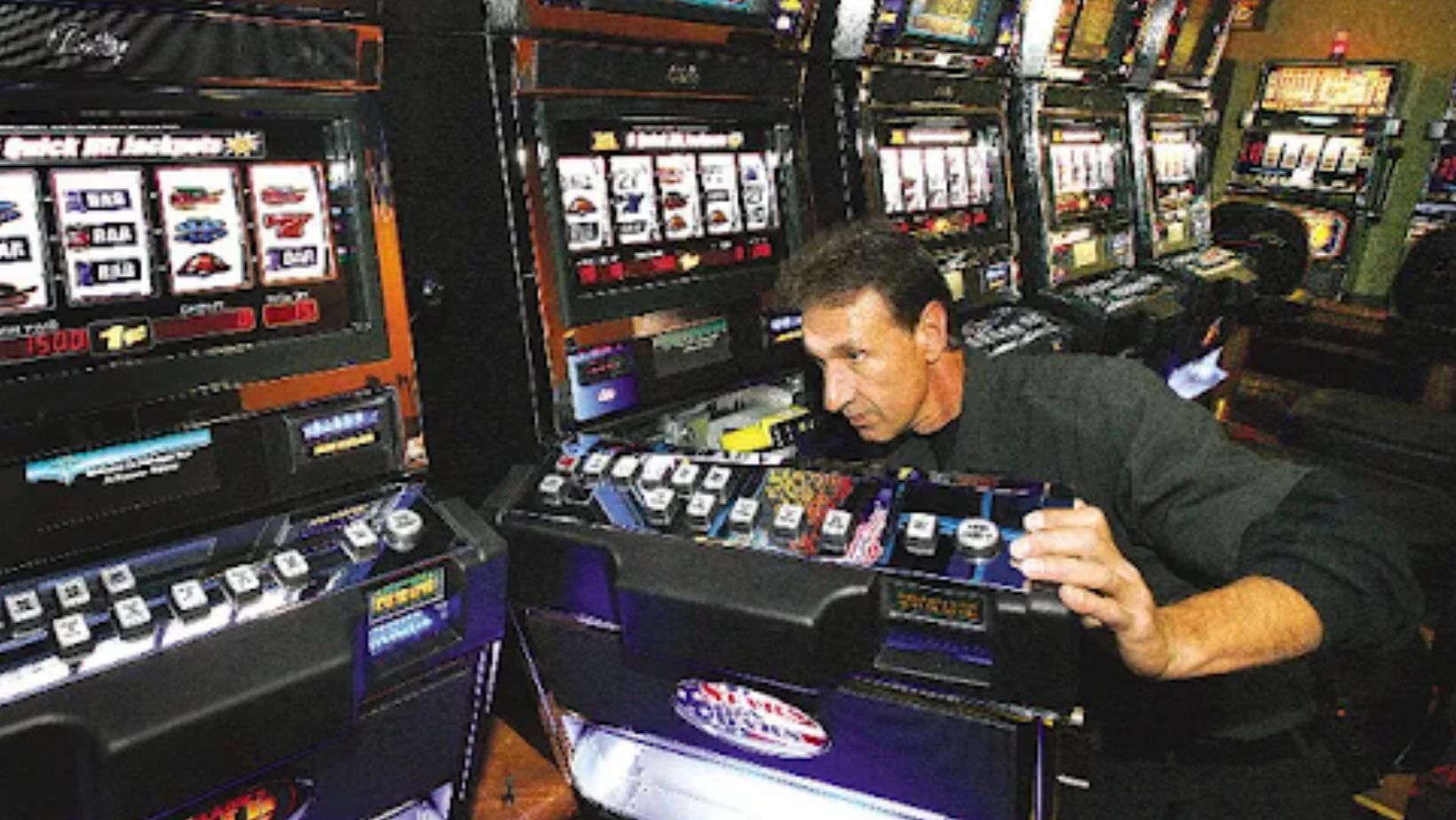
Slot technicians use various tools to keep gaming machines running smoothly. From simple diagnostics to advanced systems, these tools keep machines reliable, secure, and efficient.
Diagnostic Equipment and Specialized Tools
Slot technicians use diagnostic tools to find and fix problems, checking circuits, voltages, and mechanical parts. They rely on special equipment like anti-static kits and wiring testers to handle delicate hardware safely. These tools help them make precise repairs and perform maintenance quickly.
Casino Management Systems and Emerging Technology
Modern casinos use management systems to track machines, revenue, and player activity. Slot technicians monitor these systems, update machines, and ensure everything runs smoothly. They keep up with tech like touchscreens, networked slots, and cashless payments to support all types of gaming.
Career Path and Growth Opportunities
Working as a slot technician can be a great starting point for a long-term career in casinos. The job teaches casino operations, gaming rules, and technical skills, leading to promotions and specialized roles.
Entry-Level Requirements and First Steps
Most entry-level slot technician jobs require basic electronics, mechanical, or computer skills, often from vocational training or an associate degree. Some casinos offer on-the-job training, but certifications or gaming licenses may be required. These basics help prepare for the technical and legal aspects of the job.
Career Progression and Future Prospects
Experienced slot technicians can advance to lead roles, supervision, or maintenance. Digital machines also open paths in IT, compliance, and casino tech management. The rise of smart, cashless machines makes skilled technicians even more important for the future of casinos.
Challenges in the Job

Being a slot technician can be rewarding, but it comes with challenges. Casinos are fast-paced, and machines must run smoothly, so technicians need both skill and focus under pressure.
Adapting to a Fast-Paced Casino Environment
Casinos operate around the clock, with constant activity and little room for downtime. Slot technicians must work quickly and efficiently while surrounded by the noise and energy of the gaming floor. This high-pressure atmosphere requires focus, discipline, and the ability to remain calm under stress.
Managing Malfunctions During Peak Hours and Keeping Up with Technology
A big challenge of the job is fixing machine problems during busy gaming times. Even brief downtime can affect revenue and player experience, so technicians need to act quickly. With new hardware, software, and digital systems constantly emerging, staying up to date is essential. Technicians must keep learning and adapt their skills to new technologies.
The Role in Casino Compliance and Security
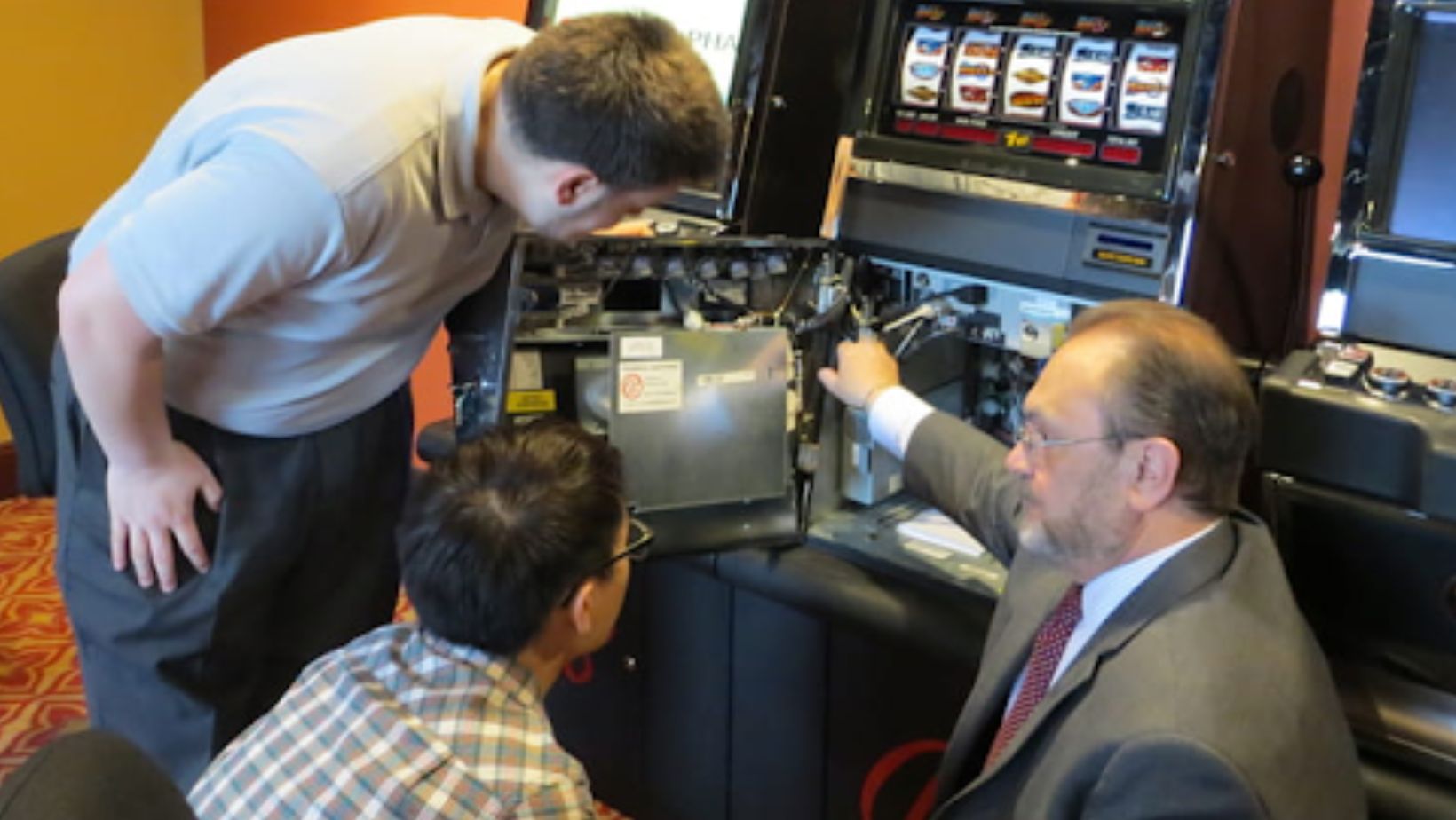
Slot technicians keep machines working and help casinos stay fair and legal. Their skills ensure games run properly and follow strict rules.
Ensuring Fairness and Meeting Regulatory Standards
Every slot machine must follow legal rules. Technicians check that machines work correctly, are fair, and meet current regulations. This helps casinos stay compliant and keep players’ trust.
Preventing Tampering, Fraud, and Supporting Gaming Authorities
Slot machines deal with a lot of money, making them targets for tampering and fraud. Technicians regularly check machines for problems, secure important parts, and report anything suspicious. They cooperate with gaming authorities to show the machines are safe, fair, and legal.
Salary and Job Outlook
Being a slot technician offers good pay and steady work as casinos expand and adopt new tech. Pay can vary by location, but skilled technicians are in high demand in both traditional and online casinos.
Average Pay and Regional Variations
Slot technicians usually earn $30,000–$55,000, depending on experience and location. In big casino areas like Nevada or Macau, pay is usually higher. Jobs often include benefits like healthcare, retirement plans, and other casino perks.
Demand Trends and Future Growth in Gaming Technology
Slot technicians are in demand, with steady work in casinos and gaming centers. As the industry moves toward smart slots, digital payments, and networked systems, technicians’ roles will grow and change. IT, networking, and troubleshooting skills offer the best opportunities in the growing casino industry.
Conclusion
Slot technicians are the experts who keep casino machines running smoothly. They make sure games work properly, follow regulations, and prevent fraud, protecting both players and the casino. As casinos adopt digital and cashless systems, they need IT and compliance experts. Casino jobs offer career growth, using tech skills and problem-solving to keep operations running smoothly.